Dog Shedding Solutions: Tips That Actually Work
If you own a dog, you already know the truth: shedding is part of the deal. You can vacuum today, and tomorrow your floor looks like your dog exploded. Sometimes I swear the hair multiplies overnight.
The good news is, you don’t need to accept living in fur forever. There are dog shedding solutions that really work. Not magic, not “one shampoo fixes everything”, but real habits that actually reduce the amount of hair in your house.
And yes, some shedding is normal. But when it gets extreme, it usually means something is off.
First: why dogs shed so much?
Dogs shed for a few reasons. Some is seasonal. Some is breed-related. And some is because of lifestyle.
In Vancouver, shedding can feel worse because the weather changes a lot and it rains constantly. Dogs go from cold to warm to wet to dry all in one week. Their coat reacts.
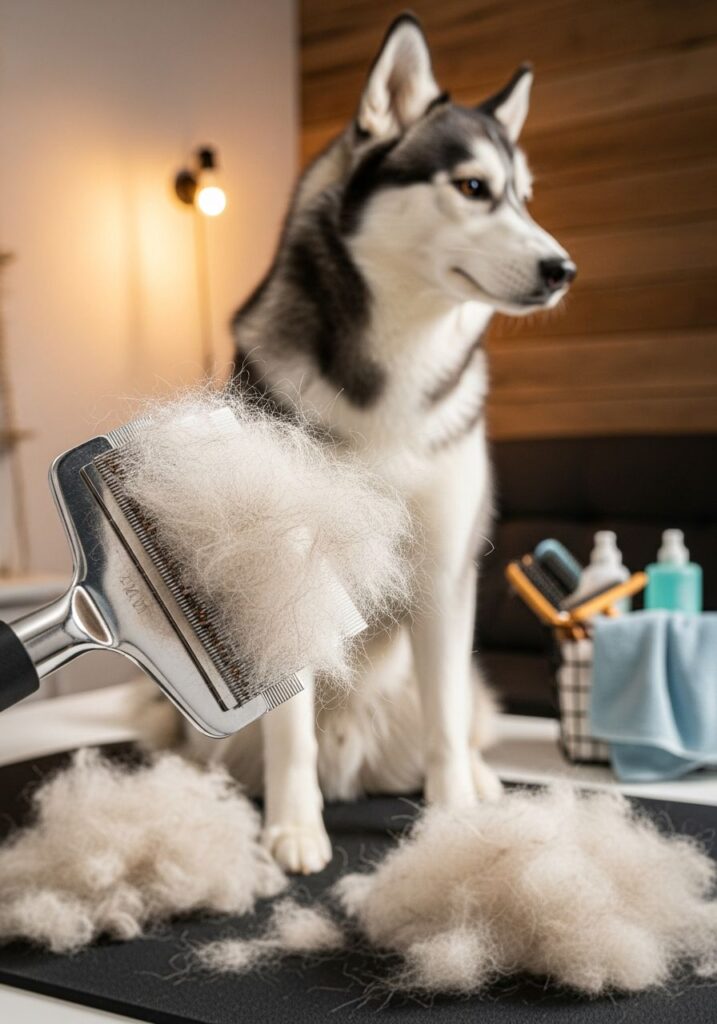
Double-coated breeds like Huskies, Golden Retrievers, German Shepherds, and even Labs shed a LOT. They don’t just drop a few hairs. They release full chunks of undercoat, especially in spring and fall.
But even short-haired dogs shed. People always get surprised by that.
A lot of owners bathe their dog and think the shedding will stop. It doesn’t work like that.
Bathing helps remove loose fur, dirt, and oil buildup, but if you don’t dry your dog properly, you’re actually making the coat worse. Wet undercoat stays trapped and can cause smell, irritation, and more shedding later.
The best dog shedding solutions include bathing every 4 to 6 weeks, depending on coat type.
And drying matters more than the shampoo.
If your dog has thick fur, towel drying isn’t enough. They need a proper blow dry to release dead undercoat. That’s why professional grooming makes such a big difference. Groomers have high velocity dryers that push out all the loose hair.
At home, you can use a dryer on cool/low setting if your dog tolerates it, but honestly some dogs hate the sound. Don’t force it.
The best dog shedding solution is brushing (and doing it correctly)
Brushing is the #1 thing that makes a real difference. But it only works if you use the right brush and you do it consistently.
Brushing once a month doesn’t count.
For most dogs, brushing 2–4 times a week is enough. During shedding season, daily brushing is even better, especially for thick-coated dogs.
And you need the right tools:
- Slicker brush (great for tangles and fluffy coats)
- Deshedding rake (amazing for double coats)
- Rubber brush (perfect for short hair like Pitbulls, Boxers, Frenchies)
If you use the wrong brush, you’ll feel like nothing is happening and you’ll quit. Then the shedding wins.
Quick tip: brush outside if you can. Your vacuum will thank you.
Use the right shampoo (because cheap shampoo can make shedding worse)
Some shampoos dry out the skin. When the skin gets dry, dogs scratch more. And when they scratch more, you get more hair everywhere.
If your dog sheds a lot, look for shampoos that support skin moisture, like oatmeal-based or sensitive skin formulas.
Avoid heavy perfumes. They smell good for you but can irritate your dog’s skin. Also, don’t bathe too often. If you bathe your dog every week, you might strip their natural oils and cause even more shedding. It’s a common mistake.
Diet is a huge part of shedding (people ignore this)
This one is boring, but it’s real. Bad diet = bad coat.
If your dog’s food is low quality, you’ll usually notice dull fur, flaky skin, and constant shedding. A healthy coat needs fat. Dogs need omega-3 and omega-6, and they need enough protein.
Sometimes switching to a better food makes a bigger difference than any grooming product. If you want to try supplements, fish oil can help, but don’t go crazy. Too much can cause stomach issues and diarrhea. Start slow.
And always check with your vet if your dog has allergies or medical issues.
Control shedding inside the house (because you still live there)
Even if you do everything right, your dog will still shed. So you also need a plan for your house.
These things actually work:
- vacuum 2–3 times a week (yes, it’s annoying)
- use a lint roller for furniture
- wash dog bedding weekly
- use washable couch covers
- brush your dog before letting them jump on the bed
If your dog sleeps in your bed, just accept you’ll eat fur sometimes. That’s just life. A good air purifier helps too, especially if someone in your home has allergies.
Stress can make shedding worse
People don’t talk about this enough, but stress shedding is real.
Dogs shed more when they’re anxious, bored, or going through big changes. Moving houses, new baby, new pet, loud noises, even too much time alone can trigger extra shedding.
If your dog suddenly sheds way more than normal, and nothing else changed, look at their routine.
More walks. More playtime. More calm time.
Sometimes the solution isn’t grooming. It’s lifestyle.
When shedding is NOT normal
If your dog is losing hair in patches, has red skin, smells bad, or scratches constantly, that’s not regular shedding.
That could be:
- allergies
- fleas
- skin infection
- hormonal issues
- mites
- poor diet
If you see bald spots or scabs, don’t wait. A groomer can notice early signs, but a vet should check if it looks serious.
Professional grooming is honestly the fastest fix
At-home brushing is great, but professional grooming makes a huge difference, especially for thick-coated dogs.
A proper deshedding treatment removes dead undercoat that you can’t easily remove with a basic brush. Plus, groomers clean the skin properly and dry the coat fully, which helps reduce shedding for weeks. If your dog is a heavy shedder, booking grooming every 4 to 6 weeks is usually the sweet spot.
You’ll still get hair at home, but it won’t feel like you’re drowning in it.
Realistic expectation: you can reduce shedding, not stop it
Some owners search dog shedding solutions hoping they’ll find a way to make shedding disappear.
That won’t happen. But you can reduce it a lot. Like, a LOT.
Brushing regularly, bathing properly, feeding your dog well, and keeping grooming consistent will change your home. Your couch won’t be covered every day. Your clothes won’t always look like you hugged a wolf.
And your dog will feel better too, because a healthy coat usually means healthy skin. Less fur everywhere is just a bonus.