How to Bathe a Dog at Home - Step by Step
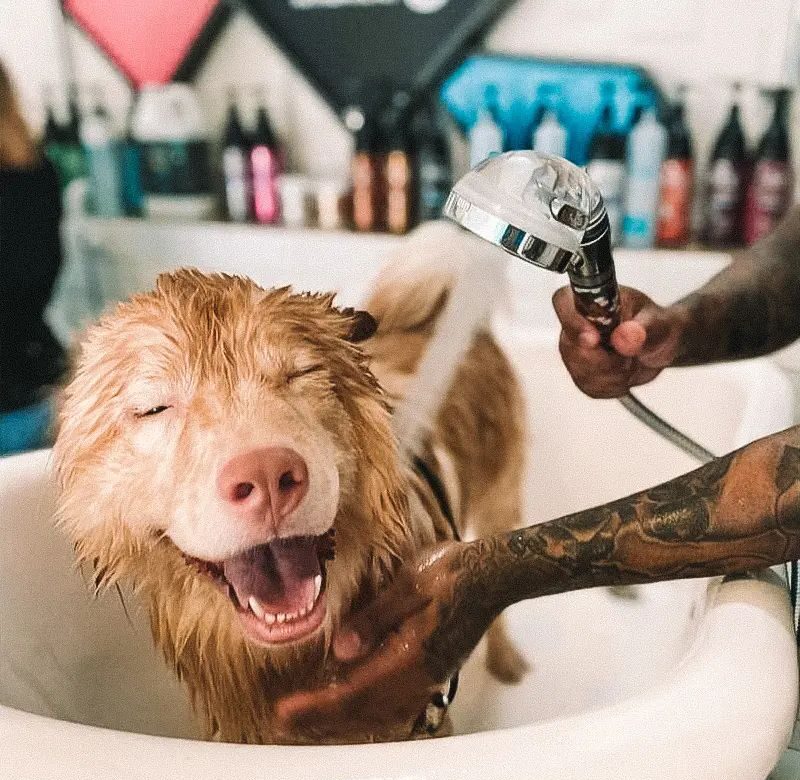
Bathing your dog at home sounds easy… until your bathroom looks like a swimming pool and your dog suddenly learns how to teleport out of the tub.
If that already happened to you, welcome to the club.
The good part is: bathing your dog at home can actually be pretty simple. You just need to stop trying to rush it. Dogs feel everything. If you’re stressed, they get stressed too, and then it becomes a whole drama.
So let’s do it the normal way, without panic.
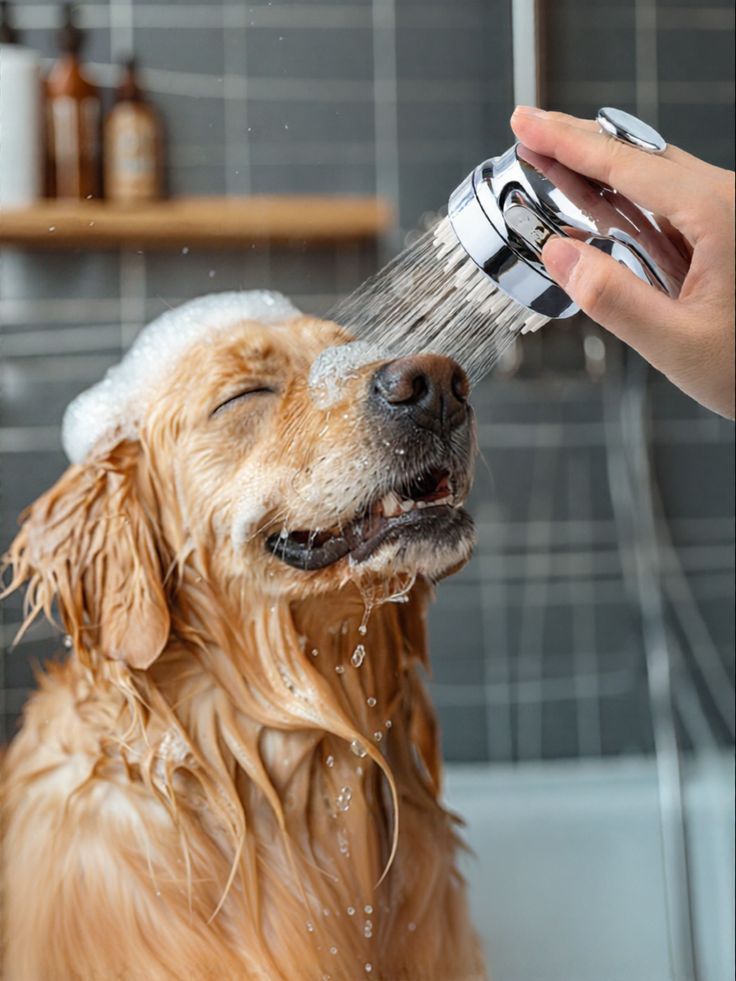
What you need before you start
Before you even turn on the water, grab everything. Seriously. Because once your dog is wet, you can’t just walk away to find a towel. That’s how they escape and shake water on your walls like it’s a hobby.
Here’s what you need close to you:
- dog shampoo (never use human shampoo)
- 1 or 2 towels (big dogs = more towels, always)
- a brush
- treats (this is not optional)
- warm water
- cotton pads if your dog hates water near ears
- a non-slip mat if your tub is slippery
Also, wear clothes you don’t care about. This is not the moment for your cute outfit. You will get wet. Accept it now.
Step-by-step: how to bathe a dog at home
This part can go really smooth, or it can turn into chaos in 30 seconds. The difference is your speed. If you move too fast, your dog will freak out.
Go slow. Talk to them. Make it boring.
Step 1: Brush your dog first
Always brush before the bath. Always.
Brushing removes loose hair and helps untangle the coat. If your dog already has knots, water will make them tighter and harder to remove later. Then you’ll be stuck trying to fix it while your dog is wet and annoyed.
If your dog sheds a lot, brushing first also saves your drain from becoming a hairy monster.
Focus on behind the ears, belly, tail, and legs. That’s where tangles love to hide.
Step 2: Use warm water
Temperature matters more than people think.
If the water is too hot, it can irritate your dog’s skin. If it’s too cold, your dog will hate the whole experience and try to jump out. A good rule: use water that feels like what you’d use for a baby bath.
Warm. Not hot.
Step 3: Wet your dog slowly
Do not dump water on your dog’s head. Unless you want to start a war.
Start with the paws and legs. Then move up slowly to the body. Use a gentle spray or a cup, and keep your hand on them so they feel secure.
Some dogs get scared because the water sound is loud, or the spray hits too strong. If your dog is nervous, keep the water low and calm. No sudden movements.
Avoid the face for now. Most dogs hate water in their eyes and ears. If you start there, you basically ruin the bath before it even begins.
Let them get used to the feeling first. This step decides if the bath will be peaceful or a disaster.
Step 4: Apply shampoo
Once your dog is fully wet, apply dog shampoo.
Use a small amount first. People always use too much. Then they can’t rinse it out and the dog ends up itchy later.
Massage the shampoo into the coat like you’re giving them a nice rub. Focus on the areas that get dirtier:
- paws
- belly
- butt area
- neck
- under the legs
Be gentle. Don’t scrub like you’re cleaning a dirty carpet.
And again, keep shampoo away from eyes and inside the ears. That part is sensitive and dogs remember when it burns.
Step 5: Rinse REALLY well
This is the step people mess up the most.
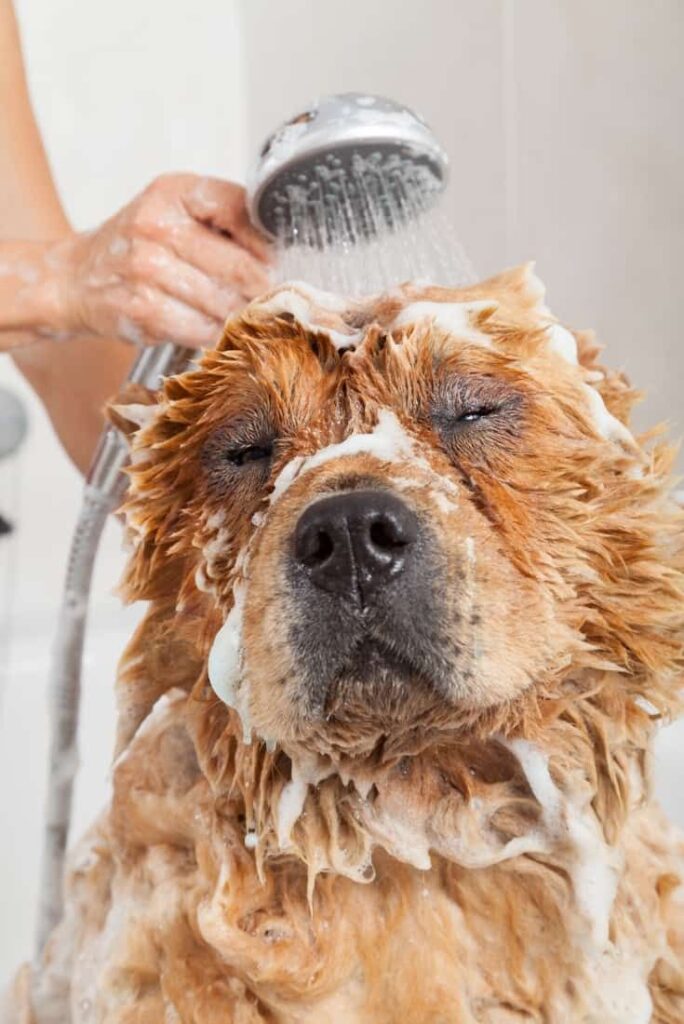
If you don’t rinse properly, leftover shampoo stays in the coat and it can cause itching, redness, and dry skin. Some dogs start scratching like crazy the next day and the owner thinks it’s allergies, but it’s literally shampoo.
Rinse until the water runs clear.
Then rinse again.
Especially if your dog has thick fur, like Golden Retrievers, Huskies, or doodles. Shampoo hides deep in the coat.
Take your time here, it’s worth it.
Step 6: Dry your dog gently
Use a towel first. Pat dry instead of rubbing like crazy, especially if your dog has long hair. Rubbing can create tangles and makes the coat frizzy.
If your dog accepts a hair dryer, use it on low heat. Some dogs hate the sound, so don’t force it. If they panic, stop.
A scared dog + hair dryer = not safe.
If you’re using only towels, use two: one for the first dry, and another clean one after.
Also, keep your dog warm after the bath. Vancouver gets cold fast and wet dogs can start shaking a lot.
Common mistakes people make (and regret)
One big mistake: using human shampoo.
Dogs have different skin pH. Human products can dry them out and cause irritation.
Another mistake is rushing. When you rush, your dog starts fighting you. Then you get frustrated, they get scared, and bath time becomes trauma for everyone.
Also, don’t skip brushing. If you bathe a tangled dog, you’re basically making the knots tighter.
And please don’t forget the rinsing part. If your dog is itchy later, 80% of the time it’s because shampoo was left behind.
Best products to use
Keep it simple.
A good dog shampoo that matches your dog’s coat helps a lot. There are shampoos for sensitive skin, puppies, itchy skin, and even deodorizing ones (which is nice when your dog smells like outside).
A decent brush makes a big difference too. Especially for double coats and curly coats.
And towels matter more than people think. Thin towels do nothing. You’ll just end up with a wet dog and wet arms.
If your dog gets anxious, treats work better than any “calming spray”. Food is powerful.
When it’s better to go to a pet spa
Bathing your dog at home work, until it doesn’t.
If your dog is:
- huge and hard to control
- extremely anxious
- aggressive during baths
- very matted
- super thick-coated and takes forever to dry
Then honestly, it’s better to go to a groomer. Also, if your dog needs a haircut or deep coat cleaning, home baths won’t really solve it. You’ll waste your time and still feel like your dog isn’t clean enough.
Professional grooming can save you stress and also saves your dog from having a bad experience at home.
Less stress, more time
Learning how to bathe your dog at home doesn’t have to be a nightmare. Once you do it a few times, it becomes normal.
But if bath time is always stressful for you or your dog, don’t force it. Some dogs just hate it, and that’s fine.
Sometimes the best decision is letting a professional handle it, and you just enjoy having a clean dog after.